Gas Line Repair
We trace gas leaks with gauges and detectors, repair or replace damaged pipe and fittings, and pressure test the line before your appliances go back on.
See the detailsRepairs & emergencies
Emergency PlumbingLeak DetectionSlab Leak RepairBurst Pipe RepairToilet RepairFaucet RepairGarbage Disposal RepairShower Valve RepairPressure Regulator ReplacementOutdoor Spigot RepairDrains & sewer
Drain CleaningMain Line Clog ClearingHydro JettingSewer Camera InspectionSewer Line RepairTrenchless Sewer ReplacementSewer Cleanout InstallationStorm & Yard Drain CleaningWater heaters
Water Heater RepairWater Heater ReplacementTankless Water Heater InstallationTankless Water Heater ServiceHeat Pump Water Heater InstallationWater Heater Earthquake StrappingHot Water Recirculation PumpPipes, gas & water lines
Whole-House RepipingMain Water Line ReplacementShutoff Valve ReplacementGas Line RepairGas Line InstallationSeismic Gas Shutoff ValveBackflow TestingWater Softener InstallationWhole-House Water FiltrationFixtures, remodels & property
Toilet InstallationFaucet & Sink InstallationKitchen PlumbingBathroom Remodel PlumbingADU PlumbingPlumbing InspectionApartment Building PlumbingCommercial PlumbingGrease Trap ServiceCity of Los Angeles
Los AngelesResedaWinnetkaCanoga ParkWest HillsTarzanaChatsworthPorter RanchGranada HillsNorth HillsLake BalboaPanorama CityValley GlenSun ValleyPacoimaSylmarSunland-TujungaSan PedroWilmingtonMission HillsValley VillageHarbor CityLA and Ventura county cities
Santa ClaritaSan FernandoBurbankGlendalePasadenaCalabasasThousand OaksSimi ValleySanta MonicaInglewoodHawthorneTorranceCarsonLong BeachComptonMore LA County cities
DowneyNorwalkLakewoodEl MonteWest CovinaWhittierPomonaAlhambraArcadiaCovinaBeverly HillsCulver CityRedondo BeachBellflowerSouth GateOrange County and Inland Empire
AnaheimSanta AnaIrvineHuntington BeachOrangeFullertonGarden GroveCosta MesaRancho CucamongaOntarioCoronaCounties
Los Angeles CountyVentura CountyOrange CountySan Bernardino CountyRiverside CountyA broken gas line after a strong quake can feed a fire long before anyone reaches the meter with a wrench. A seismic shutoff valve closes on its own when the ground shakes hard enough.
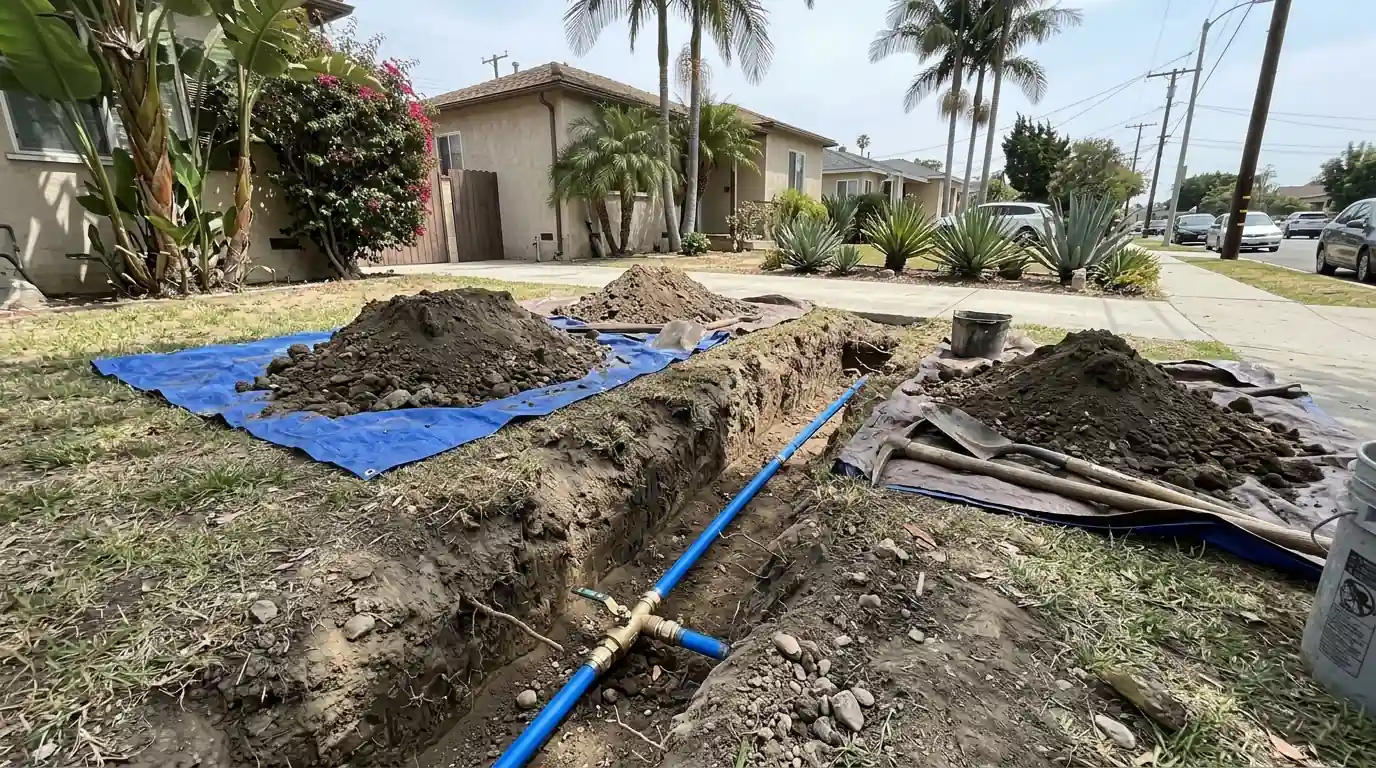
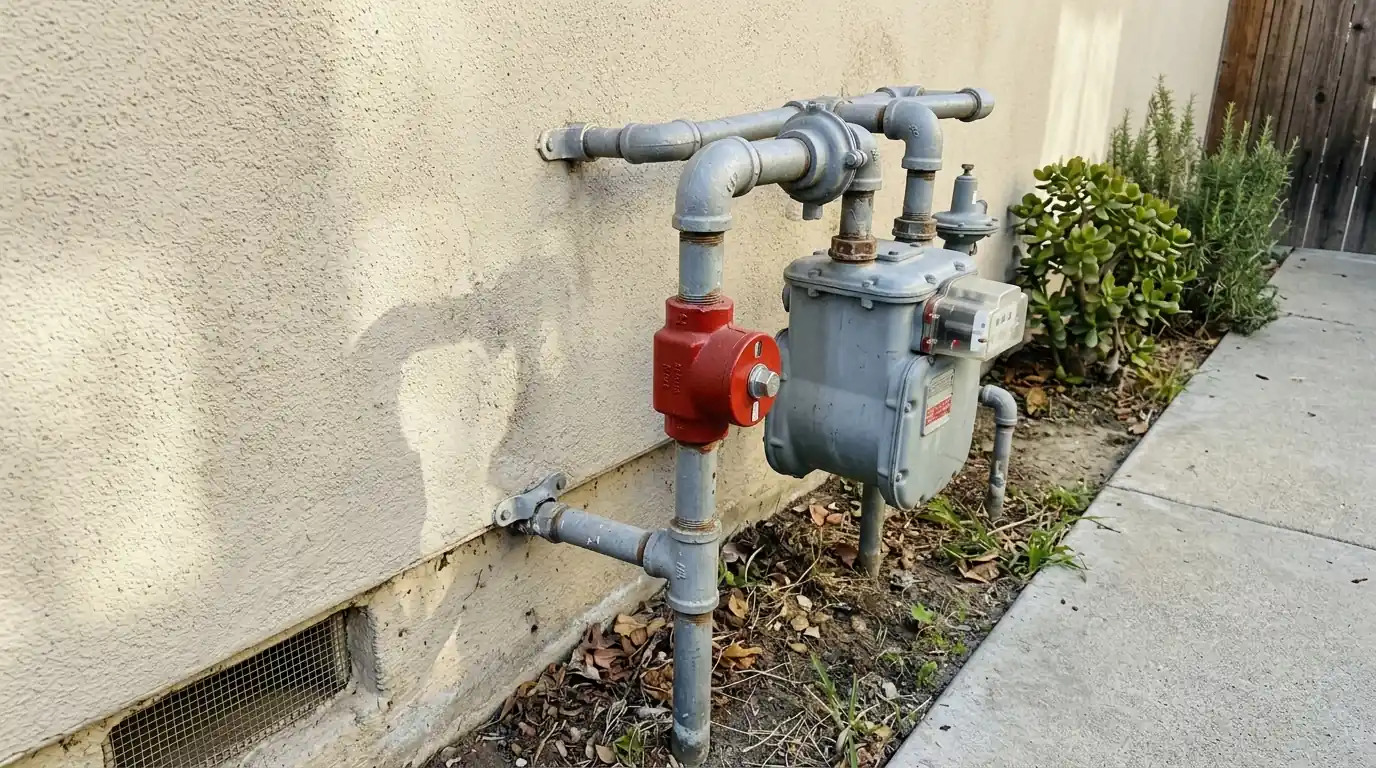
A seismic gas shutoff valve mounts on the house side of your gas meter and closes automatically when it senses strong earthquake shaking. Inside, a steel ball or similar mechanism drops into the gas path and stops the flow. You need one if you want gas cut automatically after a big quake, if a sale or remodel triggers the requirement, or if you can't reach the meter quickly yourself.
The 1994 Northridge earthquake, a magnitude 6.7 shock on January 17, 1994, broke gas lines and tipped water heaters across the San Fernando Valley. Fires started in homes where gas kept flowing through broken connectors after the shaking stopped. That experience is a big part of why automatic shutoff valves became common in Los Angeles.
The idea is simple. Shaking strong enough to break pipe is often strong enough to trip the valve, so gas stops before a cracked fitting can feed a fire. The valve does nothing day to day; it just waits on the riser until the ground moves hard enough to trigger it.
For a homeowner-level walkthrough, our article on how seismic shutoffs work covers what happens after one trips and how to tell a false trip from a real one.
Most residential seismic valves install on the house side of the gas meter, on the piping you own. The valve has to sit level and in the orientation the manufacturer specifies, or the sensing mechanism won't work right. We check it with a level, not by eye.
The riser and valve also need support. An unbraced valve hanging off a meter can flex and leak on its own, which defeats the purpose. We strap the pipe to the wall so the meter, valve and house piping move together. The valve must be a model listed for this use and approved by the jurisdiction.
Some jurisdictions also accept excess flow valves as an alternative. These install at each appliance and close if flow suddenly jumps, which happens when a connector breaks. They protect against a ruptured line at one appliance, but they don't respond to shaking itself and won't catch a small leak.
A meter valve shuts the whole house at once, which is the simplest protection when the goal is earthquake safety. The tradeoff is that a strong but harmless quake also shuts everything off, and someone has to reset it. We'll explain both options and what your city accepts.
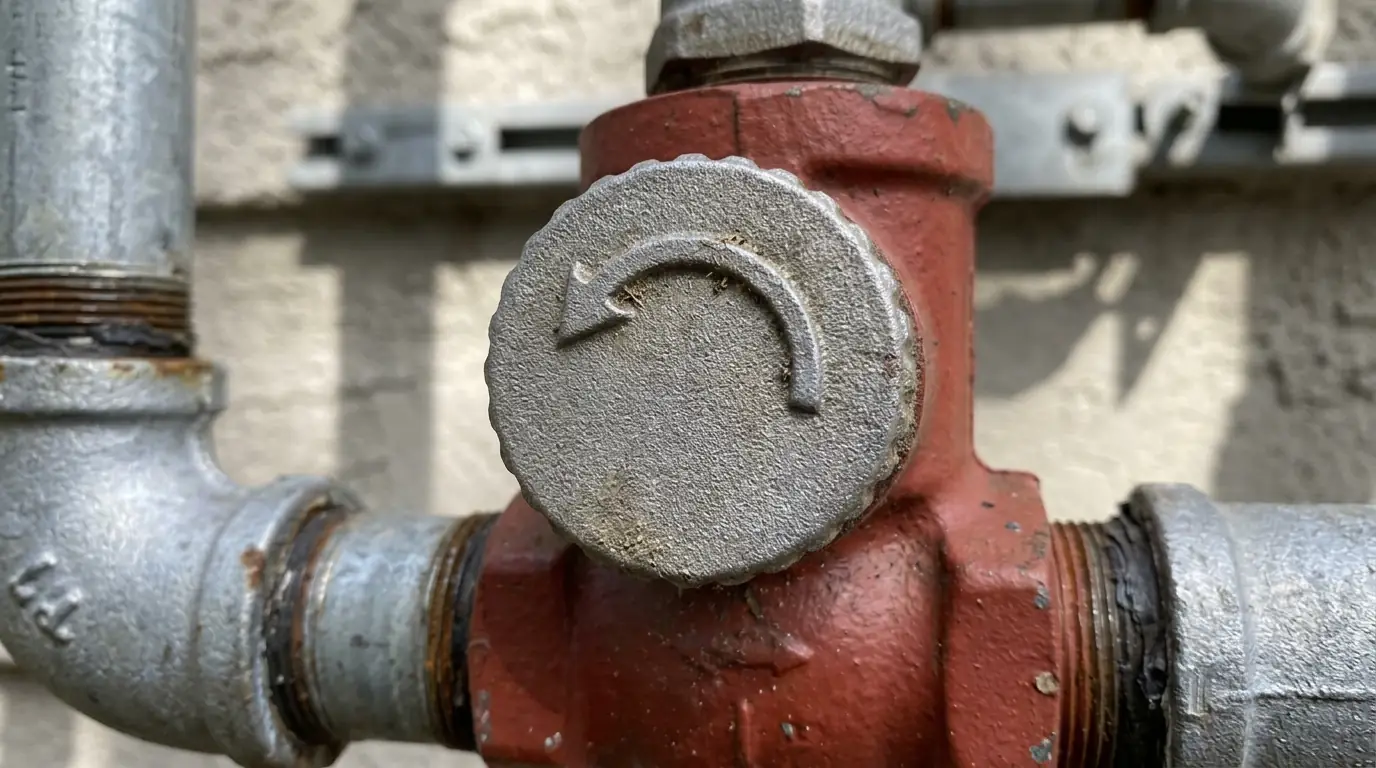
When a seismic valve closes, every appliance loses gas. Before reopening anything, walk the house and check for the smell of gas, damaged connectors or a water heater that moved. If you smell gas, leave the building, call SoCalGas or 911 from outside, and wait for them to clear it before anyone resets the valve.
If there is no sign of a leak, the valve can be reset by following the manufacturer's procedure, and every pilot in the house then has to be relit. Many owners would rather call us for that, and we check the piping with a detector before any appliance comes back on. If the shaking damaged a line, our gas leak repair work handles the fix and the pressure test.
Earthquake risk runs through the whole region, but the Valley carries the clearest memory of gas fires after Northridge. Older homes in Reseda, Northridge and nearby tracts often have water heaters and furnaces piped rigidly, so a valve at the meter adds a real layer of protection. Rules on when a valve is required vary between the City of LA and other cities, so we check before quoting. Pair the valve with properly placed tank straps: two straps, one in the upper third and one in the lower third of the heater.
Warning signs
On the job
We look at the meter, riser and nearby piping to confirm there's room for the valve and a sound wall to brace against.
Inside the City of LA we file with LADBS; elsewhere, with your city's building department.
With gas off at the meter, we install the listed valve on the house side, level it and brace the riser to the wall.
Every new connection is checked with soap solution and a gas detector once the line is pressurized.
We relight each appliance and show you where the valve is, what a tripped valve looks like and how resetting works.
Typical pricing
The valve itself is a modest part of the price; labor, riser bracing, permit fees and relighting several appliances make up most of it.
| Job | Typical LA range |
|---|---|
| Standard meter-mounted valve, installed and braced | $450 to $950 |
| Valve plus riser modifications for clearance | $800 to $1,600 |
| Reset and relight after a trip, with leak check | $150 to $350 |
| Excess flow valves at several appliances | $400 to $1,100 |
These are typical ranges, not a quote; permit fees, riser condition and the number of appliances to relight change the final total. See every job in our LA price guide.
Questions we hear
Approved valves are designed to ignore everyday vibration like trucks, slammed doors or minor quakes. They respond to strong, sustained shaking. A valve that trips without a real quake is usually mounted out of level or got bumped, and we can reset and correct it.
Some cities in the region require an automatic shutoff device at sale or after major remodels, and the rules and accepted devices differ by jurisdiction. Your escrow paperwork or the local building department will say what applies. We check before installing so the device you get is the one your city accepts.
Walk the house and look at each appliance connection and the water heater for movement. If everything looks intact and there's no odor, the valve can be reset per the manufacturer's instructions, then every pilot relit. If you're unsure, call us. If you smell gas at any point, leave and call SoCalGas or 911 from outside.
Not much. Check once a year that it's still level, the bracing is tight and nothing is stacked against it. After any noticeable quake, look at the indicator to see whether it tripped. A corroded or damaged body should be replaced.
Coverage
These are the communities that call us for this most often, with their main ZIP codes. The same 24/7 line covers every one of our 68 service areas.
Often booked together
We trace gas leaks with gauges and detectors, repair or replace damaged pipe and fittings, and pressure test the line before your appliances go back on.
See the detailsTwo-strap seismic bracing for tank water heaters in Los Angeles, anchored into framing or masonry, with flexible connectors and a gas shutoff check.
See the detailsNew gas piping sized to your meter and appliance load, run to ranges, dryers, pool heaters, fire pits and barbecues, permitted and pressure tested.
See the detailsA plumber's walk-through of supply pipe, drains, sewer lateral, water heater, gas lines and fixtures, with a plain written list of findings.
See the detailsCall the line any hour. A plumber answers, asks what you are seeing and tells you what happens next.